Introduction
The three main types of plumbing systems are potable water, sanitary drainage, and stormwater drainage. These systems work together in San Jose homes to provide clean water and remove waste. Each system serves a specific purpose for your daily comfort and safety.
Our team at Gladiator Repipe & Plumbing has fixed countless plumbing problems across San Jose. We understand how these systems connect and affect your home’s overall function.
This guide explains each plumbing system, how they work together, and maintenance tips to prevent costly repairs in your San Jose home.

The 3 Main Plumbing Systems in San Jose Homes
Potable Water System
The potable water system brings clean, drinkable water into your home. This system connects to San Jose’s municipal water supply through a main line. Water flows through pipes to your sinks, showers, and appliances.
Your home’s water pressure comes from this system. Most San Jose homes maintain pressure between 40-80 psi for optimal performance. The system uses valves to control water flow throughout your house.
Key Components and Their Functions
Pipes carry water throughout your home. Valves control water flow to specific areas. Fixtures like faucets and showerheads deliver water where needed. Water heaters provide hot water for daily use.
Common Materials Used in San Jose
Copper pipes remain popular in older San Jose homes. PEX plumbing has become common in newer construction. PEX offers flexibility and freeze resistance. Brass fittings provide durability at connection points.
Maintenance Tips for Local Homeowners
Check for leaks monthly around visible pipes. Install water pressure regulators to prevent damage. Replace worn washers in faucets promptly. Flush your water heater annually to remove sediment.
Mistakes to Avoid When Maintaining Potable Water Lines
Never overtighten pipe connections. Avoid using harsh chemicals in drains. Don’t ignore small leaks or drips. Prevent freezing pipes during rare cold snaps in San Jose.
Sanitary Drainage System
The sanitary drainage system removes wastewater from your home. This system collects water from toilets, sinks, and showers. Gravity pulls waste downward through pipes toward the sewer connection.
Proper slope ensures waste flows correctly. Most drainage pipes require a slope of ¼ inch per foot. This prevents clogs and backups in your home’s waste lines.
What the System Handles
Toilet waste travels through larger diameter pipes. Sink and shower water flows through smaller pipes. Grease traps capture kitchen waste. P-traps prevent sewer gases from entering your home.
Connection to San Jose’s City Sewer
Your home connects to the city sewer through a main line. This connection typically sits underground in your yard. Cleanouts provide access points for maintenance and clearing blockages.
Common Issues and Recommended Fixes
Clogs often form from grease and debris buildup. Tree roots can infiltrate older pipes. Broken seals cause leaks at pipe joints. Professional hydrojetting clears stubborn blockages effectively.
Stormwater Drainage System
The stormwater drainage system manages rainwater around your property. This system prevents flooding and foundation damage. Gutters, downspouts, and drains direct water away from your home.
San Jose’s Mediterranean climate brings seasonal rain concerns. Proper drainage becomes crucial during winter months when rainfall increases.
How It Protects Your Home and Property
Gutters collect roof runoff during rainstorms. Downspouts direct water away from foundations. French drains prevent yard flooding. Sump pumps remove water from low-lying areas.
Key Features of Effective Stormwater Systems
Proper gutter sizing handles local rainfall amounts. Downspout extensions move water at least 5 feet from walls. Yard grading slopes away from your foundation. Permeable surfaces allow water absorption.
Seasonal and Weather-Related Concerns in San Jose
Clear gutters before winter rains arrive. Check drainage paths during first rainfall. Prepare for occasional heavy storms. Address standing water issues promptly.
How Plumbing Systems Work Together in San Jose Homes
The Interdependence of Plumbing Systems
Your home’s plumbing systems rely on each other. Water enters through supply lines and exits via drainage. Vents balance pressure throughout the system. Proper function requires all components working together.
Preventing Contamination Through Proper Separation
Backflow preventers protect potable water from contamination. Air gaps separate clean and waste water. Check valves prevent reverse flow. These safeguards maintain water safety in your home.
Managing Pressure and Water Flow Balance
Pressure regulators maintain safe water pressure levels. Expansion tanks absorb excess pressure from water heaters. Balanced systems prevent pipe damage and leaks. Professional plumbers can test your home’s pressure.
Year-Round Plumbing Maintenance Tips for San Jose Residents
Preparing Pipes for Winter and Seasonal Changes
Insulate exposed pipes during colder months. Disconnect garden hoses before winter. Allow faucets to drip during freezing temperatures. Schedule pre-winter plumbing inspections.
Annual Drain and Sewer Line Inspections
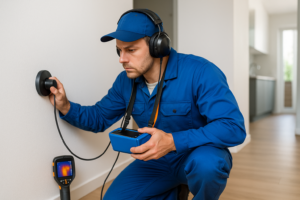
Camera inspections reveal hidden pipe problems. Annual cleaning prevents major blockages. Early detection saves money on repairs. Professional inspections catch issues before they worsen.
Conclusion
Understanding the three plumbing systems helps you maintain your San Jose home. Each system plays a vital role in your daily comfort and safety.
Gladiator Repipe & Plumbing San Jose specializes in all three plumbing systems. We provide expert maintenance, repairs, and installations throughout San Jose.
Contact Gladiator Repipe & Plumbing today for professional plumbing services. Our experienced team will keep your home’s plumbing running smoothly year-round.